

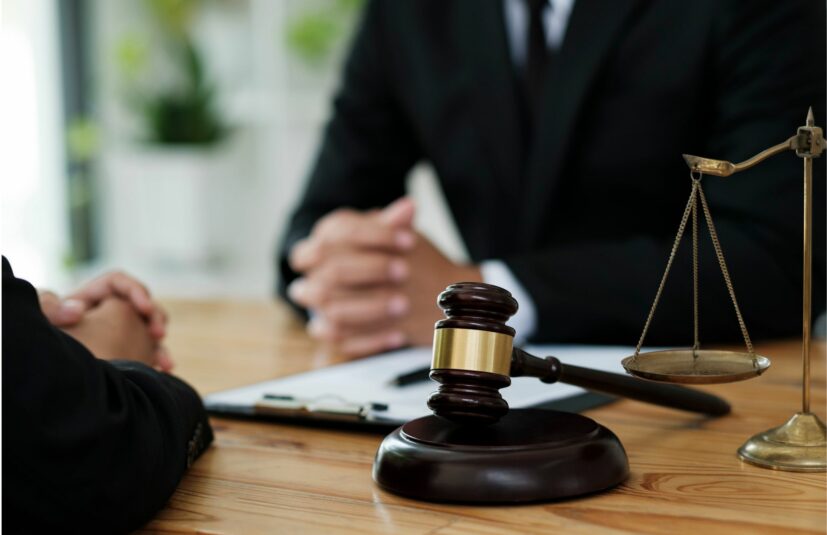
Courts can feel intimidating if you’ve never been involved in a legal case. The formal language, strict rules, and unfamiliar steps often make people anxious before they ever walk into a courtroom. The good news is that court procedures follow a predictable structure, and once you understand the basics, the process becomes far less overwhelming.
This guide explains how courts generally work, using plain language and practical examples.
Why Court Procedures Matter
Court rules exist to ensure fairness, order, and consistency. Knowing what to expect helps you:
- Avoid procedural mistakes
- Understand your rights and responsibilities
- Communicate more effectively with attorneys and court staff
- Reduce stress and uncertainty
Even without legal training, basic procedural knowledge gives you confidence.
Types of Courts You May Encounter
Different courts handle different types of cases.
Criminal Courts
Criminal courts handle cases where the government accuses someone of breaking the law.
Examples include
- Misdemeanors
- Felonies
- Traffic offenses
Outcomes may include fines, probation, or incarceration.
Civil Courts
Civil courts resolve disputes between individuals or organizations.
Common civil cases
- Personal injury
- Contract disputes
- Property disagreements
- Family law matters
These cases typically involve money, property, or court orders rather than jail time.
The Basic Stages of a Court Case
While details vary by jurisdiction and case type, most cases follow a similar path.
Filing or Charges
- In civil cases, one party files a complaint
- In criminal cases, charges are filed by the prosecutor
This step officially starts the case.
Initial Appearance or Hearing
The court:
- Confirms identities
- Explains charges or claims
- Reviews rights and next steps
In criminal cases, bail or release conditions may be discussed here.
Pretrial Phase
This is where much of the work happens.
Common pretrial activities
- Exchange of evidence
- Filing motions
- Negotiations or settlement discussions
- Scheduling future court dates
Many cases resolve during this phase without going to trial.
Trial
If no resolution is reached, the case proceeds to trial.
What happens at trial
- Opening statements
- Presentation of evidence
- Witness testimony and cross-examination
- Closing arguments
A judge or jury then decides the outcome.
Verdict and Judgment
The court issues a decision based on the evidence and law.
- Criminal cases result in guilty or not guilty verdicts
- Civil cases result in judgments for one party
Sentencing or Remedies
If applicable, the court determines penalties or remedies.
Examples
- Sentencing in criminal cases
- Monetary awards or injunctions in civil cases
Key People in the Courtroom
Understanding who does what helps everything make more sense.
Common courtroom roles
- Judge – Oversees proceedings and applies the law
- Jury – Decides facts in jury trials
- Attorneys – Represent the parties
- Clerk – Manages records and scheduling
- Bailiff – Maintains order and security
- Witnesses – Provide testimony under oath
Each role supports an orderly and fair process.
Courtroom Rules and Etiquette
Courts are formal environments, and behavior matters.
Basic courtroom expectations
- Arrive early
- Dress conservatively
- Stand when the judge enters or exits
- Speak only when permitted
- Address the judge respectfully
Following these rules shows seriousness and respect for the process.
Documents and Deadlines
Paperwork is a major part of court procedures.
Important points to remember
- Deadlines are strict
- Missing a filing can harm your case
- Copies must often be served to other parties
- Forms must be completed accurately
Keeping records organized is critical.
What Happens If You Miss a Court Date
Failing to appear can have serious consequences.
Possible outcomes
- Case dismissal or default judgment
- Fines or penalties
- Arrest warrants in criminal cases
If something unavoidable happens, contacting the court immediately is essential.
Final Thoughts
Court procedures may seem complex, but they follow a structured and logical flow. Understanding the stages, roles, and expectations helps you participate more confidently and avoid unnecessary mistakes. Whether you’re a party, witness, or observer, basic court knowledge turns confusion into clarity.
Frequently Asked Questions
1. Do I need an attorney to appear in court?
Not always, but having legal representation can significantly improve your understanding and outcomes, especially in complex cases.
2. What should I bring to court?
Bring all relevant documents, identification, and any court notices you’ve received.
3. Can court dates be rescheduled?
Sometimes. You usually must request a continuance in advance and provide a valid reason.
4. What does “under oath” mean?
It means you are legally required to tell the truth, and lying can result in penalties.
5. Are court proceedings open to the public?
Many are, but some cases—such as juvenile or sensitive family matters—may be closed.
6. What happens if I don’t understand something during court?
You can politely ask your attorney or, in some situations, request clarification from the judge.
7. How long do court cases usually take?
It varies widely depending on the case type, complexity, and court schedule.
If you’d like, I can also create a courtroom glossary or walk you through what to expect for a specific type of case, step by step.

Comments are closed.