

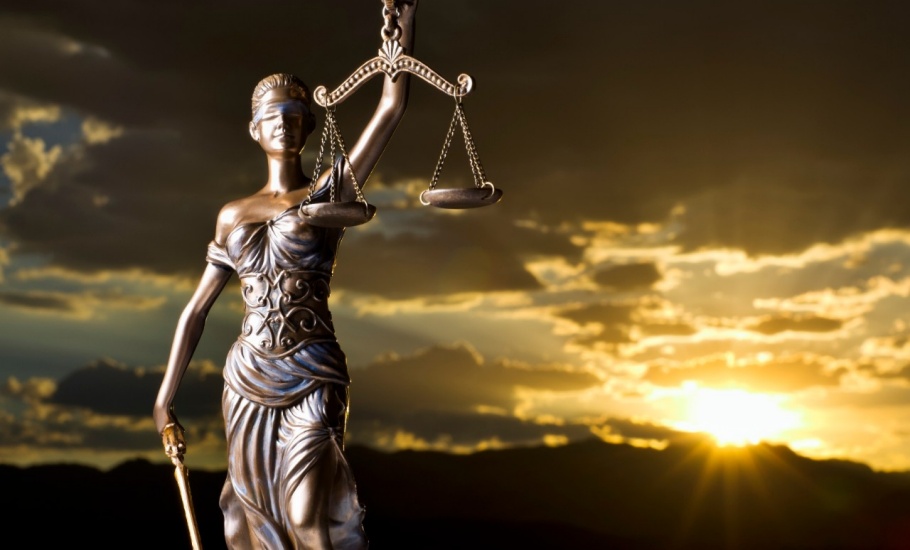
Law and justice are often used interchangeably, but they are not the same. While they are closely connected, they represent different ideas and serve distinct purposes within society. Understanding the difference between law and justice helps clarify why legal outcomes do not always feel fair and why moral debates often arise around court decisions.
At its simplest, law is a system of rules, while justice is an ideal of fairness. One can exist without fully achieving the other, and this gap is where many legal and ethical conflicts begin.
What Is Law?
Law refers to a structured set of rules created and enforced by governing authorities. These rules are designed to regulate behavior, resolve disputes, and maintain social order.
Key characteristics of law include:
- Written statutes, regulations, and codes
- Formal enforcement by courts, police, and institutions
- Consistency and predictability
- Applicability regardless of personal beliefs
Law focuses on what is legal, not necessarily what feels morally right.
What Is Justice?
Justice is a broader moral concept rooted in fairness, equality, and ethical treatment. Unlike law, justice is not always written down or formally enforced. It reflects society’s sense of what is right and wrong.
Justice is associated with:
- Moral reasoning and ethical principles
- Fair treatment and proportional consequences
- Protection of rights and dignity
- Balancing individual and societal interests
Justice asks whether an outcome is fair, even if it follows the law.
How Law and Justice Intersect
Ideally, laws are created to promote justice. In many cases, they succeed by protecting rights, punishing wrongdoing, and offering remedies for harm. However, because laws are created by humans, they are influenced by politics, culture, and historical context.
Law and justice intersect when:
- Laws reflect shared moral values
- Legal outcomes align with societal expectations of fairness
- Courts interpret rules with consideration for equity
When this alignment breaks down, tension arises.
When Law and Justice Conflict
A legal decision can follow the law perfectly and still feel unjust. This often happens when laws are outdated, overly rigid, or applied without context.
Common reasons for conflict include:
- Strict penalties that ignore individual circumstances
- Discriminatory laws rooted in past inequalities
- Technical loopholes that allow harmful behavior
In such cases, the law may be lawful but not just, prompting public criticism and calls for reform.
The Role of Interpretation and Discretion
Judges and legal professionals play a crucial role in bridging the gap between law and justice. Through interpretation and discretion, they can soften rigid rules and consider intent, impact, and fairness.
Judicial discretion helps:
- Tailor outcomes to specific circumstances
- Prevent excessively harsh results
- Promote equitable solutions within legal boundaries
However, discretion also has limits, as judges must operate within the framework of existing laws.
Why the Difference Matters in Society
Understanding the difference between law and justice encourages critical thinking about legal systems. It helps citizens recognize that legality does not automatically equal morality.
This distinction matters because it:
- Fuels legal reform and social progress
- Encourages ethical evaluation of laws
- Empowers people to challenge unjust systems
Many historical advancements in civil rights emerged precisely because people questioned laws that failed to deliver justice.
Striving for a Balance Between Law and Justice
A healthy society continuously works to align its laws with its evolving sense of justice. This balance is not static—it requires debate, accountability, and reform.
Efforts to close the gap include:
- Updating outdated laws
- Ensuring equal application of legal rules
- Promoting transparency and fairness in legal processes
While perfect justice may be unattainable, striving toward it remains essential.
Frequently Asked Questions (FAQs)
Can justice exist without law?
Yes, justice can exist as a moral principle even without formal laws, but enforcing justice consistently is difficult without a legal framework.
Are all laws meant to be just?
Most laws are intended to promote justice, but social, political, and historical factors can result in laws that fall short of that goal.
Why do people criticize legal decisions that follow the law?
Criticism often arises when legal outcomes conflict with public perceptions of fairness or ignore broader social consequences.
Does justice change over time?
Yes, societal views on justice evolve as cultural values, knowledge, and social conditions change.
Can breaking the law ever be justified in the name of justice?
Some argue that civil disobedience can be morally justified when laws are deeply unjust, though it still carries legal consequences.
How do courts try to achieve justice within the law?
Courts use interpretation, precedent, and discretion to apply laws in ways that aim to be fair and proportionate.
Why is understanding law vs. justice important for citizens?
It helps citizens engage critically with legal systems, advocate for reform, and better understand their rights and responsibilities.

Comments are closed.